

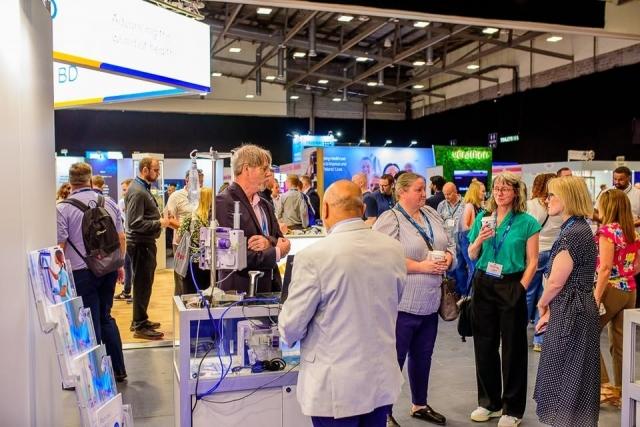
Staying ahead in the healthcare technology field is no small task. Hospitals across the UK face relentless pressure to improve patient safety, streamline maintenance processes, and keep pace with rapid medical equipment advancements. This is where a Clinical engineering seminar proves invaluable. These events have become a central learning platform for biomedical engineers, healthcare technicians, hospital maintenance managers, NHS professionals, and medical equipment suppliers.
This blog explores why attending a Clinical engineering seminar matters, what participants typically learn, and how these sessions shape the future of medical technology. Written for professionals across the UK healthcare engineering sector, this article provides a realistic look at training needs, challenges, and opportunities in the field today.
Why Clinical Engineering Matters More Than Ever
Modern hospitals heavily rely on complex diagnostic, therapeutic, and monitoring systems. When equipment fails, the consequences can be severe—delayed care, misdiagnosis, and increased risk for patients. Clinical engineering teams work behind the scenes to prevent such failures by ensuring:
- Safe and reliable operation of medical equipment
- Preventive maintenance scheduling
- Emergency response to critical breakdowns
- Compliance with medical device regulations and safety standards
- Training for healthcare staff on proper equipment usage
As medical technology rapidly evolves—AI-based imaging tools, connected monitoring systems, robotic interventions—the need for continuous education becomes unavoidable. Here is where a Clinical engineering seminar becomes a trusted source of updated knowledge and hands-on exposure.
What Attendees Gain from a Clinical Engineering Seminar
Healthcare engineers and biomedical technicians benefit from real-time insights that directly apply to daily operational challenges. Some common learning areas include:
1. Latest Technology in Hospital Equipment
Seminars introduce practical developments in:
- Surgical robotics
- Smart infusion pumps
- Remote patient monitoring systems
- Sterilisation innovations
- Imaging system upgrades
Participants gain clarity on equipment life cycles, integration with hospital IT, and cost-efficient buying decisions.
2. Best Practices in Preventive Maintenance
Critical takeaways often include:
- Forming maintenance schedules that reduce failure rates
- Analysing service data for predictive planning
- Using CMMS (Computerised Maintenance Management Systems) effectively
3. Regulatory & Safety Compliance
With medical device regulations shifting frequently, engineers must stay informed about MHRA standards, ISO-based quality requirements, and clinical risk management frameworks.
4. Networking with Industry Leaders
A Clinical engineering seminar creates rare opportunities to connect with:
- Senior biomedical engineers
- Healthcare decision-makers
- Government health safety officials
- Medical technology manufacturers
- International safety organisations
Professional connections enable knowledge exchange, referrals, and career development.
Target Audience for Clinical Engineering Seminars
These seminars mainly focus on professionals in hospitals, research centres, and medical equipment firms, including:
- Biomedical engineers
- Clinical engineering managers
- NHS healthcare technology teams
- Equipment maintenance technicians
- Hospital administrators and procurement heads
- Safety compliance officers
- Medical equipment suppliers and distributors
- Healthcare training coordinators
For these roles, updated training directly affects patient outcomes, budget efficiency, and smooth equipment operation.
Benefits of Attending a Clinical Engineering Seminar
Attendees consistently report measurable improvements in their daily work performance. Some advantages include:
Practical Skill Development
Participants learn actionable techniques instead of high-level theory.
Exposure to Real Case Studies
Speakers often share insights from real hospital challenges and solutions that worked.
Improved Patient Safety Outcomes
Better maintenance means fewer risks and increased trust in critical care facilities.
Smarter Financial Planning
Teams learn to cut unnecessary service contracts and reduce equipment downtime.
Hands-on Demonstrations
Manufacturers frequently offer live equipment handling sessions.
Key Topics Commonly Covered in a Clinical Engineering Seminar
- Medical device cyber-security
- Data-driven maintenance analysis
- Equipment procurement lifecycle planning
- Troubleshooting essential systems
- Asset tracking using RFID and IoT
- Risk assessment and hazard control
- UK-specific NHS regulations and compliance guidance
Why UK-Based Professionals Should Prioritise These Events
With increasing pressure on the NHS budget and rising expectations from hospital accreditation bodies, decision-makers require proven, cost-effective strategies. A Clinical engineering seminar offers access to credible solutions used by other established hospitals across the country.
Many UK seminars also host experts from the EU, USA, and Asia, giving attendees a wider vision of global innovation.
What Makes a Good Clinical Engineering Seminar?
When selecting an event, consider:
- Speaker expertise and background
- Session formats (hands-on vs theory)
- Participation certificates and CPD credits
- Representation from medical device manufacturers
- Real service and maintenance case discussions
- Peer-to-peer collaboration activities
Conclusion
A Clinical engineering seminar offers more than just training—it strengthens the entire healthcare system. By improving equipment management skills, spreading awareness of new technology, and building professional support networks, these seminars directly enhance patient safety and operational efficiency.
For professionals dedicated to reliable hospital technology, attending such seminars is not simply beneficial—it is essential for staying relevant in a rapidly advancing medical world.
FAQs: Clinical Engineering Seminar
What is a Clinical Engineering Seminar?
It is an educational event specifically designed for biomedical engineers and healthcare technicians to gain updates on hospital equipment technologies, maintenance strategies, and safety regulations.
Who should attend?
Anyone working in medical equipment servicing, maintenance, purchasing, or healthcare technology integration.
Do seminars provide hands-on training?
Many events include practical demonstrations, equipment testing sessions, and live workshops.
Are certificates usually provided?
Most reputable seminars offer CPD or participation certificates, useful for career progress and compliance needs.
Are seminars useful for new graduates?
Absolutely, since they help build industry knowledge, networks, and confidence.